Every year, the conversation about where to retire in Canada shifts a little. Housing markets move, family doctor waitlists open and close, and cities that flew under the radar suddenly become serious contenders. This is our 2026 ranking — ten Canadian cities that genuinely deserve a spot on a retiree's shortlist, each with an honest profile of what it does well and where it falls short.
This is not a one-size-fits-all list. The "best" city for a 68-year-old wanting walkable culture is not the same as the "best" for a 72-year-old prioritizing low housing costs near family. Each profile below includes who the city is right for, so you can scan straight to the ones that fit your situation.
Ten factors went into the ranking: housing affordability, family doctor access, climate, walkability, cultural amenities, senior services, distance to major airports, public transit, healthcare infrastructure depth, and overall community fit for retirees. No city scores top marks on all ten — every choice is a trade-off — so the rankings reflect overall balance rather than dominance in any single category.
Costs are 2026 estimates for typical detached homes; condos and townhomes generally run 30 to 50% lower in each market. Always confirm current pricing locally before deciding.
Cost snapshot: Detached homes typically $550K to $750K. Cost of living moderate.
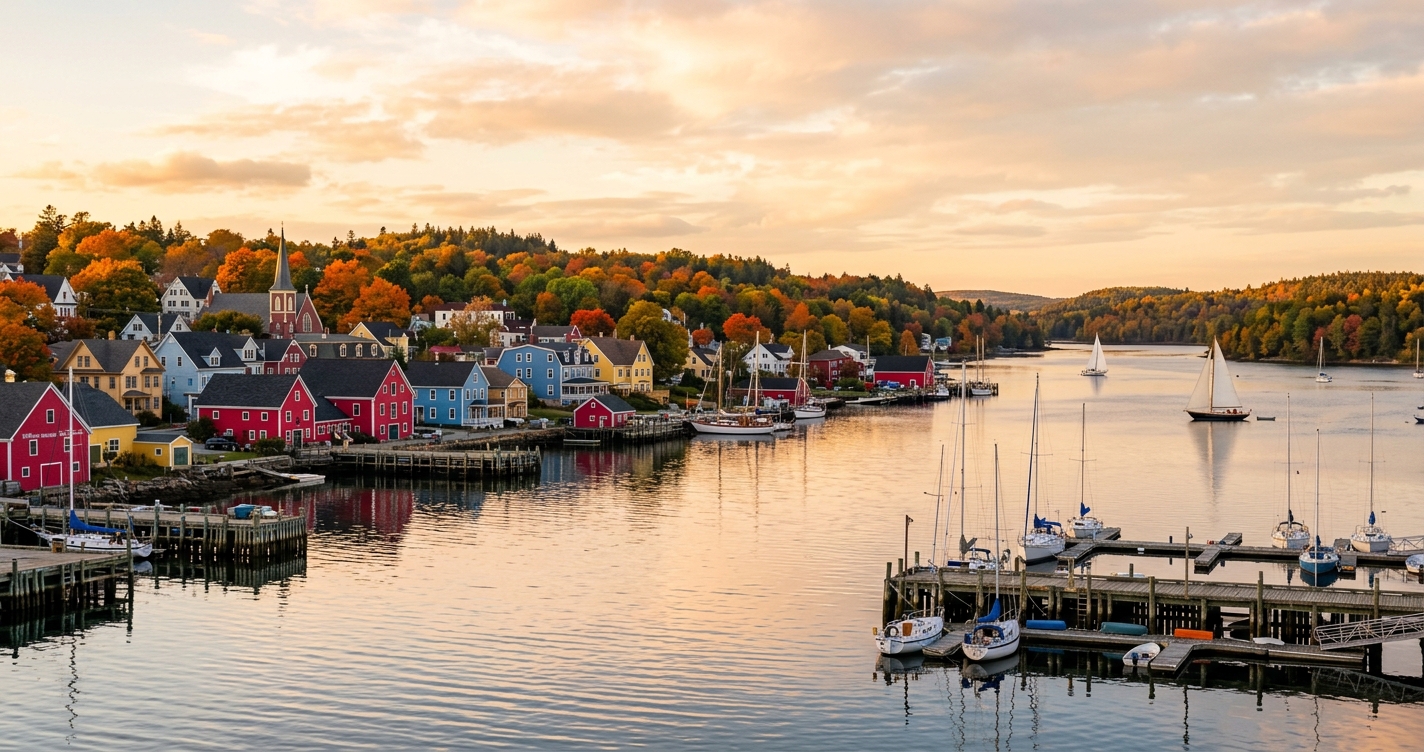
Pros: Atlantic harbour setting, growing food and arts scenes, multiple hospitals including a major tertiary centre, walkable downtown, strong universities, an international airport with good connections. Genuinely welcoming to newcomers.
Cons: Winters are wet, windy, and snowier than coastal BC. Family doctor waitlists exist but are better than in much of Atlantic Canada. Housing has appreciated significantly over the past few years.
Who it is right for: Retirees who want a real city — culture, healthcare, walkability — at a price still below Ontario equivalents, and who do not mind a serious winter.
Cost snapshot: Detached homes routinely $1M+; condos $500K to $800K in good neighbourhoods.
Pros: Canada's mildest climate (snow is a rare event), exceptionally walkable historic downtown, mature retirement community, beautiful waterfront, strong cultural scene.
Cons: Cost. Family doctor access on Vancouver Island has been strained in recent years. Distance from the rest of the country — a flight or ferry from anywhere east.
Who it is right for: Retirees with significant equity from selling an expensive home, who prioritize climate and walkability above all else.
Cost snapshot: Detached homes typically $700K to $900K. Mid-range for Ontario.
Pros: National capital amenities, strong healthcare with multiple major hospitals, excellent museums and cultural institutions, expanding transit (O-Train), four real seasons, large bilingual community.
Cons: Winters are cold and long — comparable to Montreal. Housing is not cheap, though far below Toronto. Spread out enough that neighbourhood choice matters for walkability.
Who it is right for: Retirees who want urban amenities and healthcare depth without GTA prices, and do not mind committing to winter.
Cost snapshot: Detached homes typically $800K to $1M+.
Pros: Hot dry summers, mild winters by Canadian standards, lake access, wine country, golf, growing retirement community, an expanding cultural scene.
Cons: Healthcare has been strained as the population has aged faster than infrastructure. Summer wildfire smoke has become a recurring issue. Housing climbed steeply in recent years.
Who it is right for: Active retirees who want four-season outdoor living and do not need a major-city healthcare network on their doorstep.
Cost snapshot: Detached homes typically $400K to $550K. Among Canada's most affordable provincial capitals.
Pros: Slower pace, exceptionally welcoming community, walkable downtown, compact province (nowhere is more than an hour away), distinct culture, fresh seafood, gentle pace of life.
Cons: Small — limited specialist care for complex conditions. Winters are wet and windy with significant snow. Limited direct flight options.
Who it is right for: Retirees who genuinely want small-town life with provincial-capital amenities and have manageable healthcare needs.
Cost snapshot: Detached homes typically $600K to $800K.
Pros: Waterfront on Lake Ontario, a university town's energy without big-city scale, strong healthcare (Kingston General is a major teaching hospital), walkable historic core, halfway between Toronto and Montreal.
Cons: Winters are cold and grey. Limited international flight options — you will route through Toronto or Ottawa. Some neighbourhoods are car-dependent.
Who it is right for: Retirees who want mid-sized city living, strong healthcare, and easy access to both Toronto and Montreal for family visits and travel.
Cost snapshot: Detached homes typically $450K to $600K. Strong value for a major city.
Pros: No provincial sales tax (real savings over 20+ years), strong healthcare with multiple major hospitals, surprisingly active arts and food scenes, large international airport, mature transit system in central neighbourhoods.
Cons: Long, cold winters — among Canada's most demanding. Spread-out geography requires careful neighbourhood selection for walkability.
Who it is right for: Retirees prioritizing affordability, tax efficiency, and healthcare access, who can genuinely handle prairie winters.
Cost snapshot: Detached homes typically $400K to $550K. Outstanding value for a major historic city.
Pros: Stunning historic core, excellent walkability, vibrant cultural calendar, strong healthcare, one of Canada's best urban food scenes, well below Montreal pricing, top-tier long-term care infrastructure.
Cons: Daily life functions best in French. Quebec has Canada's highest provincial income tax rates. Winters are long and cold, though notably sunny.
Who it is right for: Retirees comfortable in French (or genuinely willing to commit to learning) who want European-feeling city life at North American prices.
Cost snapshot: Detached homes typically $350K to $500K. Among Canada's most affordable cities of its size.
Pros: Bilingual culture (significant English and French populations), low cost of living, growing senior population with services to match, central location in the Maritimes with reasonable highway access to Halifax, Charlottetown, and Fredericton.
Cons: Smaller cultural scene than Halifax or Quebec City. Winters are wet, windy, and snowy. Family doctor access has tightened in recent years, though typically better than rural NB.
Who it is right for: Budget-focused retirees who want a real (if modest) city, bilingual options, and meaningful housing savings versus larger markets.
Cost snapshot: Detached homes typically $700K to $900K — significantly less than Victoria.
Pros: Mild Vancouver Island climate without Victoria's prices, easy access to outdoor recreation (mountain, ocean, lake), tight retirement community, regional hospital, small-town pace.
Cons: Smaller than Victoria, with correspondingly fewer cultural amenities and specialist healthcare options. Family doctor access varies. Ferry or flight required to reach the mainland.
Who it is right for: Retirees who want Vancouver Island climate and lifestyle but find Victoria out of reach, and who do not need a major-city healthcare network on their doorstep.
A few cities just missed the top ten but deserve consideration. Saskatoon offers prairie affordability with surprising amenities — riverside paths, a respected university, and a tight community. Winnipeg is the cultural dark horse of the prairies, with world-class arts at very accessible prices. Stratford suits arts-focused retirees with a famously deep cultural calendar. Niagara-on-the-Lake is postcard-pretty with good Niagara-region healthcare access, though the small-town premium is real. Canmore rewards mountain-loving retirees with the budget to support it.
The mistake we see most often is choosing a city based on a vacation memory. A week in July tells you almost nothing about a Canadian city in February. The retirees who report the highest satisfaction tend to be the ones who visited their top candidates in the worst season, confirmed family doctor availability in advance, and stayed within a few hours' travel of at least one adult child.
Whichever city you choose, the decision is most effective when made five to ten years before you actually move — early enough to visit, plan, and transition without rushing.
There is no single number one — it depends on priorities. Halifax tops our 2026 ranking for overall balance, but Victoria leads on climate, Edmonton on affordability with strong healthcare, and Quebec City on value for a major historic city.
Moncton, Charlottetown, and parts of Saskatchewan and Manitoba consistently offer the most affordable retirement options among Canadian cities. Detached homes well under $500K remain realistic in each.
Victoria, Kelowna, the Okanagan, Halifax, and the Atlantic provinces have seen the strongest inbound retirement migration over the past several years, with Atlantic Canada growing fastest in relative terms.
Yes, for the right person. Affordability, community warmth, and culture are real strengths. The trade-offs are wet windy winters, smaller specialist healthcare networks, and more limited flight options. Halifax mitigates most of these, smaller communities less so.
Victoria has Canada's mildest year-round climate, with rare snow and moderate summers. Kelowna offers the hottest summers but with cold winters. There is no Canadian equivalent to a Florida-style year-round warm retirement.
Wherever you land on this list, your retirement plan should include the right life insurance to protect a spouse, leave a legacy, or cover final expenses without burdening the family. It is the one financial decision that becomes harder and more expensive the longer you wait, and securing coverage before a move keeps both your premiums and your options at their best.
See if you qualify for affordable life insurance coverage in Canada. Takes less than 60 seconds.
Get a Free Quote